ARTICLES

FEATURED

1st July 2023

08 May 2023

BY: Peak Medical

We’re excited to announce that Peak Medical is joining Healthier SG, a national initiative that promotes healthy living and healthcare innovation. This partnership will allow us to better serve our patients and work towards our shared goal of a healthier Singapore. We look forward to this new chapter and the opportunities it brings.

We’re excited to announce that Peak Medical is joining Healthier SG, a national initiative that promotes healthy living and healthcare innovation. This partnership will allow us to better serve our patients and work towards our shared goal of a healthier Singapore. We look forward to this new chapter and the opportunities it brings.

Inside a Basic Health Screening: What It Covers

07 April 2026

BY: Peak Medical

Learn about joint injections in Singapore, including how they are used, what to expect, and considerations for managing joint-related conditions.

Joint Injections in Singapore: What Patients Should Know

06 April 2026

BY: Peak Medical

Learn about joint injections in Singapore, including how they are used, what to expect, and considerations for managing joint-related conditions.

Everything You Need to Know About the Birth Control Patch

18 March 2026

BY: Peak Medical

Considering the birth control patch in Singapore? Discover how it works, its benefits, and whether it’s the right option for you.

Why Vaccinations and Blood Tests Go Hand in Hand

18 August 2025

BY: Peak Medical

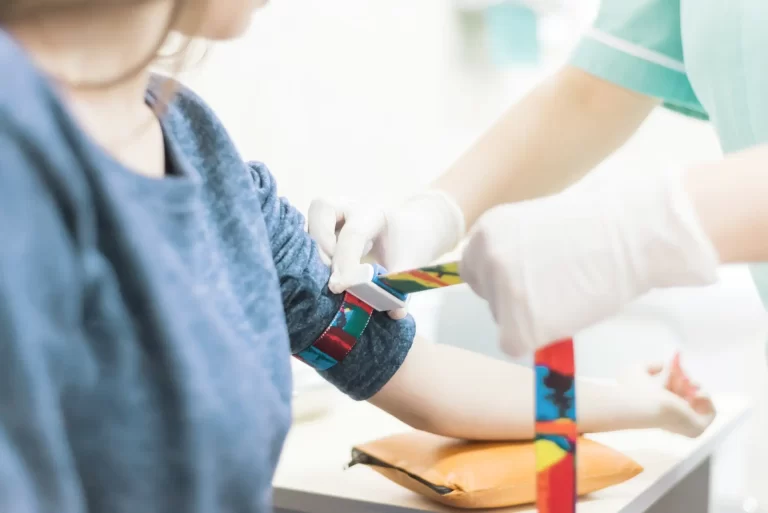
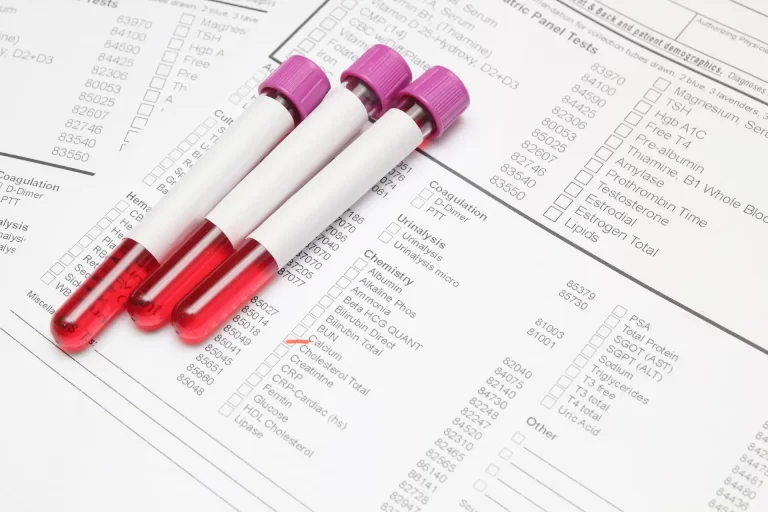
In preventive healthcare, two routine procedures often come up: vaccinations and blood tests. While they serve different purposes, they’re more connected than many people realise. Together, they offer a clear picture of your current health status and help you build defences against future illness. Knowing how vaccinations and blood tests work together can help you make informed decisions about your health the next time you visit a clinic in Singapore—whether you’re planning to travel, enrolling in school or protecting yourself against chronic illness. How Vaccines Protect You Vaccines work by training your immune system to recognise and fight specific viruses or bacteria. They typically contain weakened or inactive parts of a particular organism (antigen) that trigger an immune response without causing illness. Once vaccinated, your immune system “remembers” how to fight the pathogen if you’re exposed again in the future. Vaccination is effective in preventing infectious diseases—from measles and hepatitis to influenza and COVID-19. Some vaccines offer long-term protection with just one or two doses, while others require boosters to maintain immunity. Getting vaccinated not only protects you but also those around you by reducing the risk of disease spread—an effect known as herd immunity. This is especially important for protecting vulnerable individuals, such as infants, the elderly and people with compromised immune systems. The Role of Blood Tests in Preventive Health Blood tests are a diagnostic tool that can uncover underlying conditions, monitor organ function and assess your overall health. They can: When You Might Need Both: Common Scenarios In many cases, vaccinations and blood tests are scheduled together—either out of convenience or clinical necessity. Here are some situations where both may be recommended: Before Travel When travelling abroad, especially to regions with specific health risks, you may need vaccinations for diseases like yellow fever, typhoid, or hepatitis A and B. Blood tests may be performed to check for existing immunity, assess liver or kidney function (especially if you’re taking malaria pills), or confirm you’re fit for travel. For School or Work Many schools and employers require proof of vaccination, especially in healthcare, childcare, and education sectors. A blood test might be needed to verify immunity (e.g., measles, mumps, rubella, hepatitis B) or rule out infections like tuberculosis before starting work. Managing Chronic Conditions If you have diabetes, heart disease, or autoimmune conditions, your immune response may be altered. Blood tests help assess your current health status before administering vaccines. Certain vaccines, such as the pneumococcal or flu vaccine, are also recommended for individuals with chronic illnesses to prevent complications. Post-Vaccine Check Some people may need a post-vaccination blood test to confirm the vaccine worked as expected. This is more common in immunocompromised individuals or when a vaccine has a lower efficacy rate. For example, hepatitis B surface antibody testing is done after vaccination to ensure immunity. For Seniors and Immunocompromised Individuals Older adults and those with weakened immune systems may not respond to vaccines the same way younger, healthier individuals do. Blood tests can guide decisions about booster shots, identify infections or detect nutritional deficiencies that affect immune function. What to Expect at a Vaccine and Blood Test Clinic in Singapore Visiting a clinic for vaccinations and blood tests is typically quick and straightforward. Here’s what you can expect: Choosing the Right Clinic When selecting a clinic for vaccinations and blood tests, consider the following: Looking for a Vaccination and Blood Test Clinic in Singapore? At Peak Medical Clinic & Surgery, we make preventive care simple, efficient, and patient-focused. Whether you’re getting vaccinated for travel, need blood tests for work, or want to take proactive steps toward better health, our clinic in Singapore offers comprehensive care tailored to your needs.  With on-site diagnostic facilities, a range of vaccinations and experienced medical staff, Peak Medical Clinic & Surgery is your partner for preventive health in Singapore. Book your appointment today.